
Is it possible that a dusty old book tucked away in a forgotten corner could hold profound historical and monetary value? Old Bibles, cherished relics of the past, are sought after by collectors and enthusiasts alike, not just for their religious significance but for the stories they encapsulate. In today’s digital landscape, where ancient texts seem distant, the allure of owning a piece of history remains irresistible. Whether through local antique bookshops or digital giants like eBay, understanding where and how to find these treasures is key. This guide reveals pathways to acquiring and valuing such timeless artefacts.
Where to Find Old Bibles for Sale
Online marketplaces offer a convenient avenue for purchasing old Bibles, with platforms like eBay and Etsy providing extensive selections. These sites allow buyers to browse through a variety of editions, ranging from less expensive, more common versions to rare finds that can significantly impact a collection. The Great Site is another prominent online source, claiming to be the world’s largest dealer of rare and antique Bibles. Such platforms often list items from different sellers, giving buyers numerous options to find a Bible that suits their interest and budget.
For those who prefer browsing in person, antique bookshops remain a valuable resource. These shops often carry a curated selection of historical texts, including Bibles, allowing collectors to physically inspect the condition and features before purchasing. Additionally, local auctions and estate sales can sometimes unearth unique editions, offering a tactile experience that online shopping cannot replicate.
- eBay
- Etsy
- The Great Site
- Local antique bookshops
- Specialist online Bible sellers
Pricing for old bibles for sale can vary dramatically depending on several important factors. While common editions may be found for as little as $20, rare or historically significant versions often command thousands of dollars. Key elements such as age, condition, and provenance heavily influence value. Early printings, especially those from the 1500s and 1600s, tend to be the most desirable, whereas editions only a few hundred years old may hold less market value unless they feature unique qualities or noteworthy historical context. For collectors and enthusiasts, understanding these nuances is essential to making informed purchasing decisions.
Evaluating the Value of Antique Bibles
The value of antique Bibles is influenced by several critical factors, including their format, collation, provenance, and physical features such as woodcuts and margins. Additionally, aspects like font, early editions, misprints, and overall condition play significant roles. Bibles dating back to the 1500s and 1600s are often valued highly, sometimes fetching thousands, while those from a more recent era, typically 100-200 years old, tend to be less valuable unless they possess exceptional characteristics.
Physical Condition and Features
The physical condition of an antique Bible is paramount in determining its value. Original bindings, which are often a testament to the Bible’s authenticity and age, add significant worth. Features such as intricate woodcuts, red-ruled pages, and hand-coloured illustrations further enhance a Bible’s appeal and, consequently, its market value. Bibles with wide margins are particularly sought after, as they indicate minimal trimming during past restorations, preserving the original text and artwork.
Historical Significance and Provenance
The historical significance and provenance of a Bible can dramatically affect its value. Bibles that are linked to notable historical events or owned by famous individuals often command higher prices due to their cultural and historical importance. Provenance documents, which trace the ownership history, provide authenticity and can elevate the desirability and financial value of an antique Bible. Understanding the context in which a Bible was printed and its journey over the centuries adds a layer of depth that collectors find invaluable.
| Century | Estimated Value |
| 1500s | £5,000 – £20,000 |
| 1600s | £3,000 – £15,000 |
| 1700s | £500 – £5,000 |
Evaluating these factors provides a comprehensive understanding of an antique Bible’s worth, aiding both collectors and sellers in making informed decisions.
Tips for Buying Old Bibles Safely
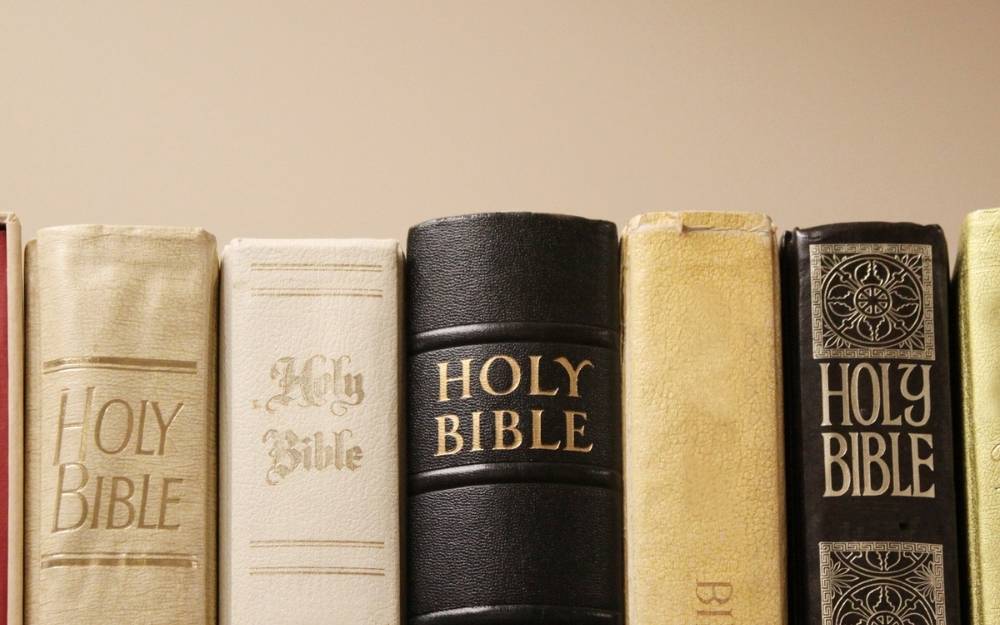
When purchasing old Bibles, verifying authenticity and condition is paramount. Genuine antique Bibles often feature original bindings, which can offer insight into the item’s age and authenticity. The condition of the pages, including the presence of any historical notes or annotations, significantly affects the Bible’s value. Collectors should be wary of reproductions or forgeries that superficially appear authentic but lack the historical and cultural significance of genuine articles. Ensuring that a Bible is an authentic piece of history can save buyers from investing in items that do not hold true value.
- Check for original bindings and pages
- Look for reputable sellers
- Understand return policies
- Use secure payment methods
- Consider expert appraisal
Consulting with experts can further enhance the safety of purchasing old Bibles. Professionals in the field can provide authentication services, ensuring the item is genuine and accurately represented. Their expertise can be invaluable in distinguishing between original editions and cleverly crafted reproductions. Engaging with an expert can also offer additional insights into the historical context and significance of a Bible, making it a more informed and satisfying acquisition.
Preserving and Storing Antique Bibles
Ensuring the longevity of antique Bibles requires meticulous attention to storage conditions. How can one best preserve these historical treasures? The answer lies in maintaining a stable, dry, and cool environment. This prevents the deterioration of delicate pages and bindings, which are vulnerable to fluctuations in temperature and humidity. Additionally, handling these Bibles with care is crucial; oils and dirt from hands can cause irreparable damage over time. Quality old Bibles are not just relics of the past; they are pieces of history that demand respect and careful preservation to maintain their integrity and value for future generations.
- Store in a dry, cool environment
- Handle with clean hands or gloves
- Keep away from direct sunlight
Understanding Different Editions of Old Bibles
Old Bibles are more than mere religious texts; they are artefacts of cultural and historical significance. Among the many editions of Bibles, a few stand out for their influence and rarity. These editions not only shaped religious thought but also left an indelible mark on language and society. Understanding these editions is crucial for collectors seeking rare scriptures or historic Bibles. Two particularly notable editions are the Geneva Bible and the King James Bible.
Geneva Bible
What makes the Geneva Bible significant? It is recognised as the first study Bible. Printed in 1560, the Geneva Bible included extensive marginal notes that provided interpretation and commentary on the scriptures. This feature made it accessible to laypeople, not just clergy, facilitating a broader understanding of the biblical text. The Bible’s publication in Geneva, a hub of Protestant Reformation thought, underscores its role in spreading Reformation ideas. Its portability and affordability were pivotal in its widespread use across Europe and America, and it was even brought to America by the Pilgrims on the Mayflower.
King James Bible
What is the King James Bible’s influence on English culture? First published in 1611, the King James Bible is celebrated for its majestic prose and literary quality, which have had a lasting impact on the English language. Its phrases and expressions permeate English literature and speech, contributing to its recognition as a cultural cornerstone. Commissioned by King James I of England, this translation aimed to unify religious factions by providing a standardised version for worship. Its widespread adoption and continued use over centuries underscore its significance in both religious and secular contexts.
What makes certain editions of Bibles rare and valuable? Several factors contribute to the rarity and value of certain Bible editions. Early printings, such as those from the 1500s and 1600s, are particularly sought after due to their age and historical context. Editions with unique features—such as misprints, rare bindings, or ownership by notable historical figures—can command high prices. The condition of the Bible, including intact bindings and clear text, also plays a critical role in determining its worth. Collectors often seek these rare editions not only for their intrinsic value but also for the stories they tell about the past.
Selling Old Bibles: A Guide for Owners
For those looking to sell old Bibles, understanding the available selling avenues is crucial. What are the options for selling old Bibles? Auctions and direct sales to collectors are prominent choices. Auctions, especially those in the UK, provide a platform where antique Bibles can fetch high prices, such as in the case of a first edition King James Bible. Direct sales to collectors or through specialised dealers can also be lucrative, especially if the Bible holds historical significance or rare features that appeal to enthusiasts.
- Obtain a professional appraisal
- Clean and repair minor damage
- Gather provenance documentation
- Research recent sales of similar items
How can one set realistic prices when selling old Bibles? It is vital to understand market trends and the factors that influence Bible valuations. Researching recent sales of similar items provides insight into current market demand and pricing. Recognising the specific attributes that enhance a Bible’s value, such as age, condition, and provenance, allows sellers to set competitive and realistic prices, thereby maximising the potential for a successful sale.
Final Words
Exploring the market of old Bibles for sale reveals a rich tapestry of history and value. From locating them in online marketplaces like eBay and Etsy to exploring local antique bookshops, many options are available. Understanding the factors affecting antique Bible value, such as physical condition and historical provenance, provides insight into their worth. When buying, verification plays a crucial role in avoiding reproductions. Proper preservation ensures these treasures last for future generations. Delving into different Bible editions enhances appreciation and knowledge. Selling old Bibles effectively involves comprehending market trends and preparing accordingly. The world of historic Bibles is intriguing and filled with learning opportunities.

Beatrice is a design critic with expertise in mid-century modern architecture, sustainable restoration, and the cultural impact of urban planning.