
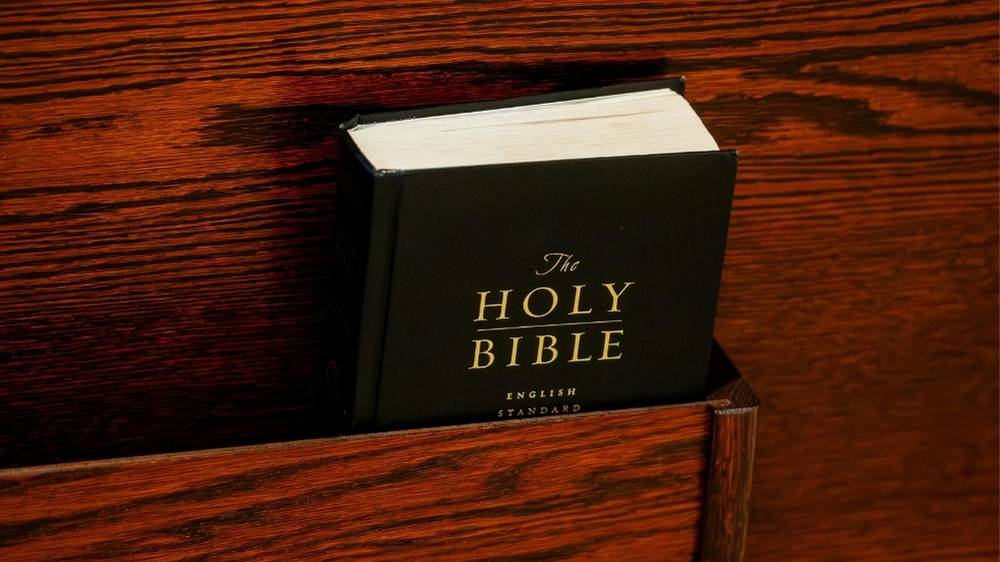
There is something remarkably grounding about the weight of an old book in your hands. When that book happens to be an antique bible, that feeling is often amplified by centuries of faith, family history, and craftsmanship. Unlike modern paperbacks that are designed for quick consumption and easy replacement, these older volumes were built to endure. They carry the marks of those who held them before—inked signatures in the margins, pressed flowers between the pages of Psalms, or the meticulously recorded births and deaths of a family that lived two hundred years ago.
Collecting these books isn’t just about owning a religious text; it is about preserving a tangible link to the past. For many people, the search for a specific edition is driven by a desire to connect with their heritage or to appreciate the incredible artistry that went into early printing. From the smell of aged vellum to the intricate gold leafing on the cover, every element tells a story that goes far beyond the words printed on the page.
How to tell if your antique bible is actually rare
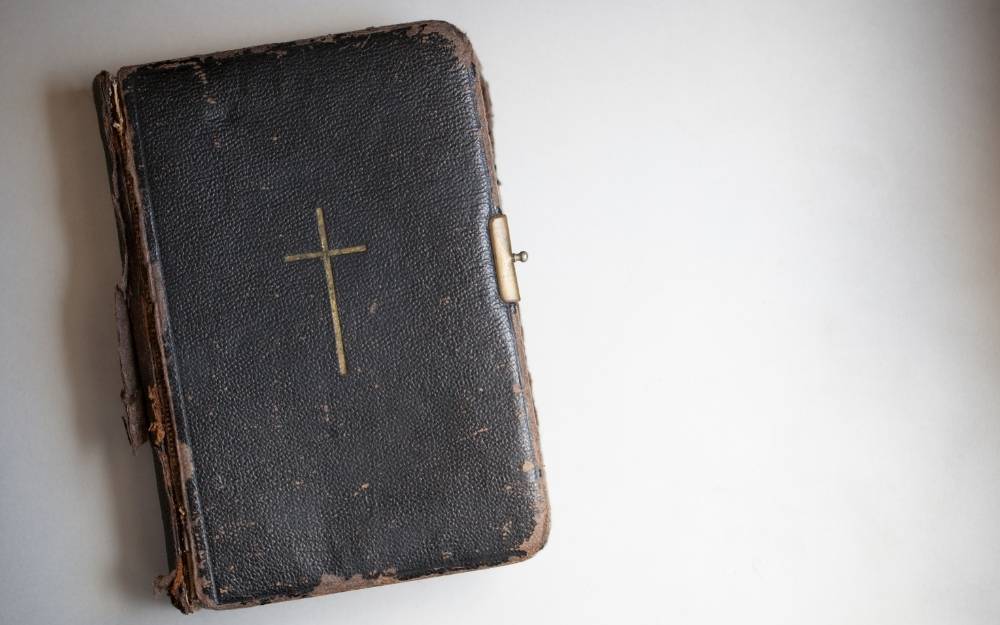
Not every old book found in an attic is a hidden masterpiece, but many hold significant historical value. Generally, for a book to be considered a true antique, it should be at least one hundred years old. However, in the world of rare books, the most sought-after editions often date back to the 16th, 17th, and 18th centuries. Identifying the true value of an edition requires a bit of detective work and a keen eye for detail.
When you are examining a potential find, there are several key factors that experts look for to determine its significance:
- The Printer and Publication Date: Early editions from famous presses, such as those by Robert Barker or the Estienne family, are highly prized.
- The Translation: While the King James Version is the most famous, earlier translations like the Geneva Bible or the Bishop’s Bible are often rarer and more valuable to collectors.
- Condition of the Binding: Original leather bindings in good condition are much preferred over books that have been crudely rebound in later years.
- Presence of Illustrations: Hand-coloured maps, woodcuts, and engraved plates can significantly increase the desirability of a volume.
- Completeness: Many old bibles are missing their title pages or the final few leaves of Revelation. A complete copy is always more valuable.
Looking beyond the publication date
It is a common misconception that age is the only factor that matters. While a 17th-century volume is certainly impressive, a 19th-century family bible might be equally cherished if it contains unique genealogical records or particularly fine Victorian illustrations. Collectors often look for “first state” printings, which are the very first copies off the press before any typographical errors were corrected. These small mistakes, ironically, can make a book much more valuable because they prove its early origin.
Why provenance matters more than you might think
In the world of antiquarian books, provenance refers to the history of ownership. An antique bible that was once owned by a notable historical figure, or one that has stayed within the same family for five generations, carries a weight of authority that a generic copy lacks. When you find a book with a clear trail of ownership, you aren’t just buying paper and ink; you are becoming the next custodian of its legacy.
Provenance can often be found in the form of bookplates, handwritten notes, or even “presentation inscriptions” where the book was gifted for a wedding or a christening. These details add a human element to the object, transforming it from a commodity into a relic. For those looking to start their own collection or find a truly special gift, sourcing an antique bible from a reputable specialist ensures that the history and authenticity of the piece have been thoroughly vetted.
Famous editions that changed the world
To understand why these books are so highly regarded, it helps to look at the specific editions that shaped history. The development of the printing press and the translation of the scriptures into the common tongue were revolutionary acts that changed the social and political landscape of Europe.
- The Geneva Bible (1560): Known as the bible of the Puritans, this was the first to use numbered verses and was the primary text used by William Shakespeare and John Bunyan.
- The King James Version (1611): Often called the “Greatest Monument of English Prose,” the first edition of the KJV is the pinnacle for many collectors.
- The Breeches Bible: A famous variation of the Geneva translation, named after its unique rendering of Genesis 3:7, where Adam and Eve are said to have made themselves “breeches” instead of aprons.
- The Vinegar Bible (1717): Famous for a spectacular misprint in the Gospel of Luke, where the “Parable of the Vineyard” was printed as the “Parable of the Vinegar.”
Practical tips for keeping an old bible in good condition
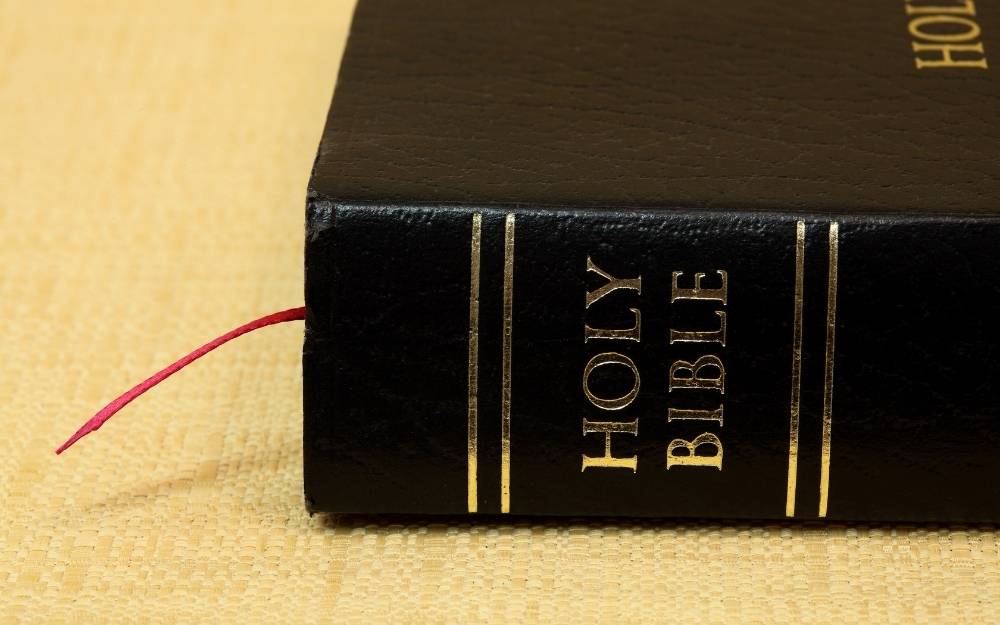
Once you have acquired a historical volume, the responsibility shifts to preservation. Old paper and leather are sensitive to the environment, and many beautiful books have been ruined by well-intentioned but misguided cleaning attempts. British weather, with its dampness and fluctuating temperatures, can be particularly harsh on organic materials like vellum and calfskin.
To ensure your book survives for another century, consider these basic care guidelines:
- Avoid Direct Sunlight: UV rays will fade the leather and make the paper brittle over time. Keep your books in a shaded part of the room.
- Control the Humidity: Extremes of damp or dry air are the enemies of old books. Aim for a stable environment, ideally away from radiators or draughty windows.
- Handle with Clean Hands: While many people think they should use white cotton gloves, these can actually reduce your dexterity and lead to accidental tears. Most archivists now recommend simply washing and drying your hands thoroughly before touching the pages.
- Store Upright: Large bibles should be stored upright on a shelf, supported by books of a similar size, or laid flat if they are exceptionally heavy to prevent the spine from warping.
The thrill of the hunt for collectors
Finding the right volume is often a journey that takes time and patience. Many collectors spend years searching for a specific printing or a binding that matches their aesthetic preferences. The market for these items is diverse, ranging from affordable 19th-century editions that make beautiful display pieces to incredibly rare 16th-century fragments that are kept in climate-controlled cases.
When you begin your search, it is helpful to decide what draws you to the book in the first place. Are you interested in the typography and the history of printing? Are you looking for a family heirloom to pass down? Or are you fascinated by the theological shifts represented by different translations? Knowing your focus will help you navigate the catalogues of specialised booksellers and auction houses. There is a quiet joy in finally locating a specific edition that has been on your wishlist for years, knowing that you are now part of its long and storied timeline.

Beatrice is a design critic with expertise in mid-century modern architecture, sustainable restoration, and the cultural impact of urban planning.